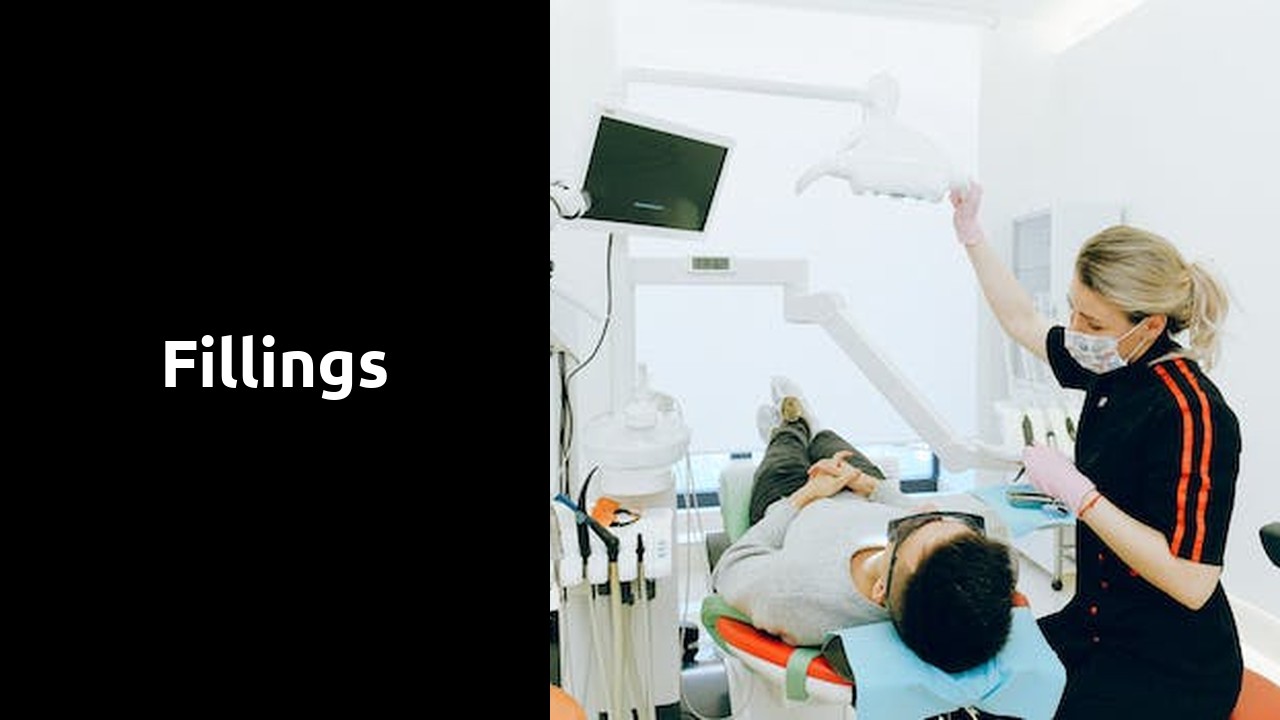
Fillings
Dental Services provides high-quality fillings to restore decayed or damaged teeth. Our skilled dentists use state-of-the-art materials and techniques to ensure a natural-looking and long-lasting result. Fillings are necessary to prevent further decay and restore the structural integrity of the tooth. Our caring and experienced staff will guide you through the process, answering any questions you may have and ensuring your comfort throughout the procedure. Trust Dental Services to provide expert care and excellent results when it comes to fillings for your oral health needs.
Cost of Fillings
Fillings are a common dental procedure that can vary in cost depending on the type of material used. Silver amalgam fillings are generally the most cost-effective option, with prices ranging from $50 to $150 per filling. However, composite resin fillings, which match the color of your teeth, can cost anywhere from $90 to $250 per filling due to their natural appearance.
In addition to the type of material used, the cost of fillings can also be influenced by the size and location of the cavity being filled. Fillings in more visible areas or larger cavities may require more material and therefore be more expensive. Some dental insurance plans may partially or fully cover the cost of fillings, but it's essential to check your policy to understand what is included in your coverage.
Insurance Coverage
Dental insurance coverage varies depending on the type of plan a patient has. In general, most insurance policies cover a percentage of the cost of basic dental procedures, including fillings. However, it is crucial for patients to confirm the specifics of their coverage with their insurance provider to avoid any surprises during billing. Some insurance plans may cover a higher percentage of the cost for amalgam fillings compared to composite fillings due to cost differences.
Patients should familiarize themselves with the terms of their insurance policy, including any annual maximums, deductibles, and limitations. It's advisable for patients to work closely with their dentist's office staff to understand the coverage details and estimate the out-of-pocket expenses accurately. In some cases, patients may need to obtain predetermination from their insurance company for certain procedures, including fillings, to ensure coverage before treatment begins.
Taking Care of Fillings
Once you have undergone a filling procedure, it is crucial to adopt proper care practices to ensure the longevity of the filling and the overall health of your teeth. One of the primary ways to care for fillings is by following a consistent oral hygiene routine that includes brushing at least twice a day and flossing once a day. This helps in preventing the build-up of plaque and bacteria around the filling, reducing the risk of decay and infections.
Additionally, it is recommended to avoid indulging in hard or sticky foods that can put excess pressure on the filling or dislodge it from its position. When consuming sugary foods or beverages, rinse your mouth with water afterward to minimize the impact of sugar on the filling and surrounding teeth. Furthermore, make sure to attend regular dental check-ups to allow your dentist to monitor the condition of the filling and address any issues promptly.
Proper Brushing and Flossing Techniques
Maintaining optimal oral hygiene is essential for the longevity and health of dental fillings. Proper brushing and flossing techniques can significantly impact the success of fillings in the long run. It is imperative to brush your teeth at least twice a day using a fluoride toothpaste to effectively remove plaque and bacteria that can lead to tooth decay and potential filling problems.
In addition to regular brushing, flossing plays a critical role in cleaning areas between the teeth that a toothbrush may not reach. Flossing should be done at least once a day to remove food particles and plaque buildup in these hard-to-reach spaces. By incorporating both brushing and flossing into your daily oral care routine, you can help maintain the integrity of your fillings and promote overall oral health.
Risks and Complications of Fillings
Fillings, while generally safe and effective, can pose certain risks and complications. One common issue is tooth sensitivity after getting a filling. This sensitivity can range from mild to severe and may be triggered by hot or cold foods and beverages. It usually subsides on its own, but if it persists or worsens, it's important to consult your dentist.
Another potential risk is developing an allergic reaction to the materials used in the filling. Some individuals may be hypersensitive to certain substances like mercury or other metals found in traditional amalgam fillings. Symptoms of an allergic reaction can include swelling, itching, or even difficulty breathing. If you suspect you may be having an allergic reaction to your filling, seek immediate dental care to address the issue.
Allergic Reactions
Allergic reactions to dental fillings are rare but possible. Some patients may experience symptoms such as swelling, redness, itching, or even difficulty breathing due to an allergic response to the materials used in the filling. It's important to inform your dentist of any known allergies or sensitivities before undergoing a dental procedure to minimize the risk of an adverse reaction. In cases where a patient shows signs of being allergic to a filling material, the dentist may need to explore alternative options to ensure the patient's safety and oral health.
Being aware of the potential for allergic reactions to dental fillings underscores the need for dentists to stay informed and vigilant about the materials they use. Additionally, patients should not hesitate to communicate any unusual symptoms they experience after getting a filling. By working together, dentists and patients can address and manage allergic reactions promptly, ensuring that dental treatments are not only effective but also safe for everyone involved.
FAQS
How much do fillings typically cost?
The cost of fillings can vary depending on the type of filling material used and the location of the dental office. On average, the cost of a filling can range from $50 to $300 per tooth.
Does insurance cover the cost of fillings?
Many dental insurance plans cover a portion of the cost of fillings. It's best to check with your insurance provider to see what is covered under your plan.
How can I take care of my fillings to make them last longer?
To maintain the longevity of your fillings, it's important to practice good oral hygiene habits such as proper brushing and flossing techniques. Avoid chewing on hard objects and visit your dentist regularly for check-ups and cleanings.
What are the risks and complications associated with fillings?
Some risks and complications of fillings include allergic reactions to the filling material, tooth sensitivity, and potential decay underneath the filling. It's important to discuss any concerns with your dentist.
Can I be allergic to the filling material used in my teeth?
Yes, some individuals may be allergic to certain dental materials used in fillings. If you experience any unusual symptoms after getting a filling, such as swelling or itching, contact your dentist immediately.